A New Era of Zagreb Hospitality: What Does the Modern Gastro Nomad Really Want?
Zagreb is no longer just a stopover on the way to the coast. It has become a destination in its own right – a city people travel to with intention, often driven by one of the strongest motivations in modern travel: gastronomy.
To understand why someone would travel thousands of miles just to dine at one of Zagreb’s restaurants or explore its markets, we first need to understand how the expectations of today’s guest have changed.
Authenticity as Personal Currency
Today’s guest is more informed than ever, but also more demanding and focused on their own experience. They are not interested in generic offerings they can find in any European capital. They are looking for something local and convincing, something they can make their own and share with others.
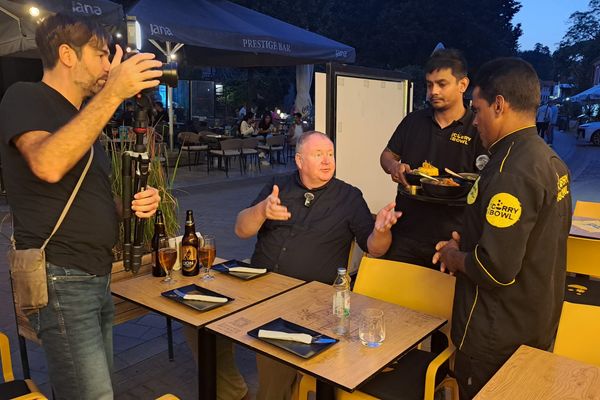
When they order a Zagreb-style steak or a craft beer from a small brewery, they are not just satisfying a basic need. They are looking for a sense of discovery – that subtle edge over others, the feeling of having found something authentic before it became mainstream. In the age of social media, these experiences carry real value – they become a form of social currency.
From Sightseeing to “Eat-Seeing”
Global tourism trends have been pointing in the same direction for some time: gastronomy is no longer an add-on to travel, but often its main purpose. In this context, Zagreb stands out through several key elements.
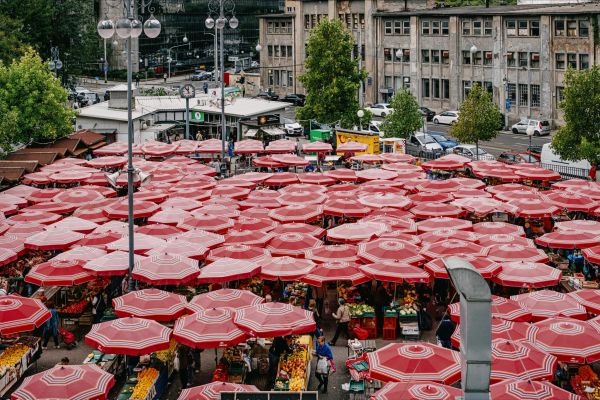
Visitors are drawn to direct contact with the source. Markets are not just places to shop – they are stages for food. The modern guest wants to see fresh cheese and cream at the stand, then taste those same ingredients reimagined in a contemporary dish at a nearby restaurant.
.jpg)
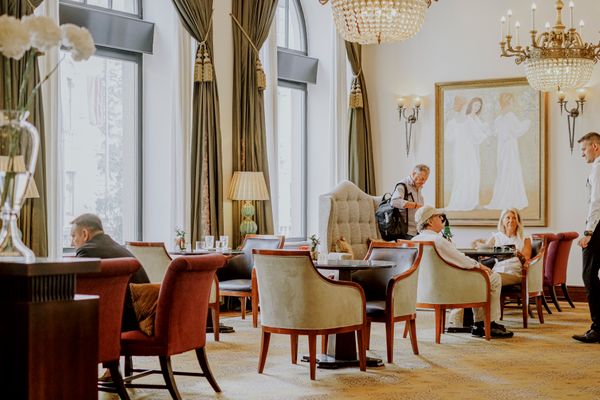
The global trend of casual fine dining – moving away from starched white tablecloths toward top-quality food in a relaxed setting – perfectly matches Zagreb’s spirit. Guests are looking for outstanding cuisine, but in an environment where they feel welcome, not observed.
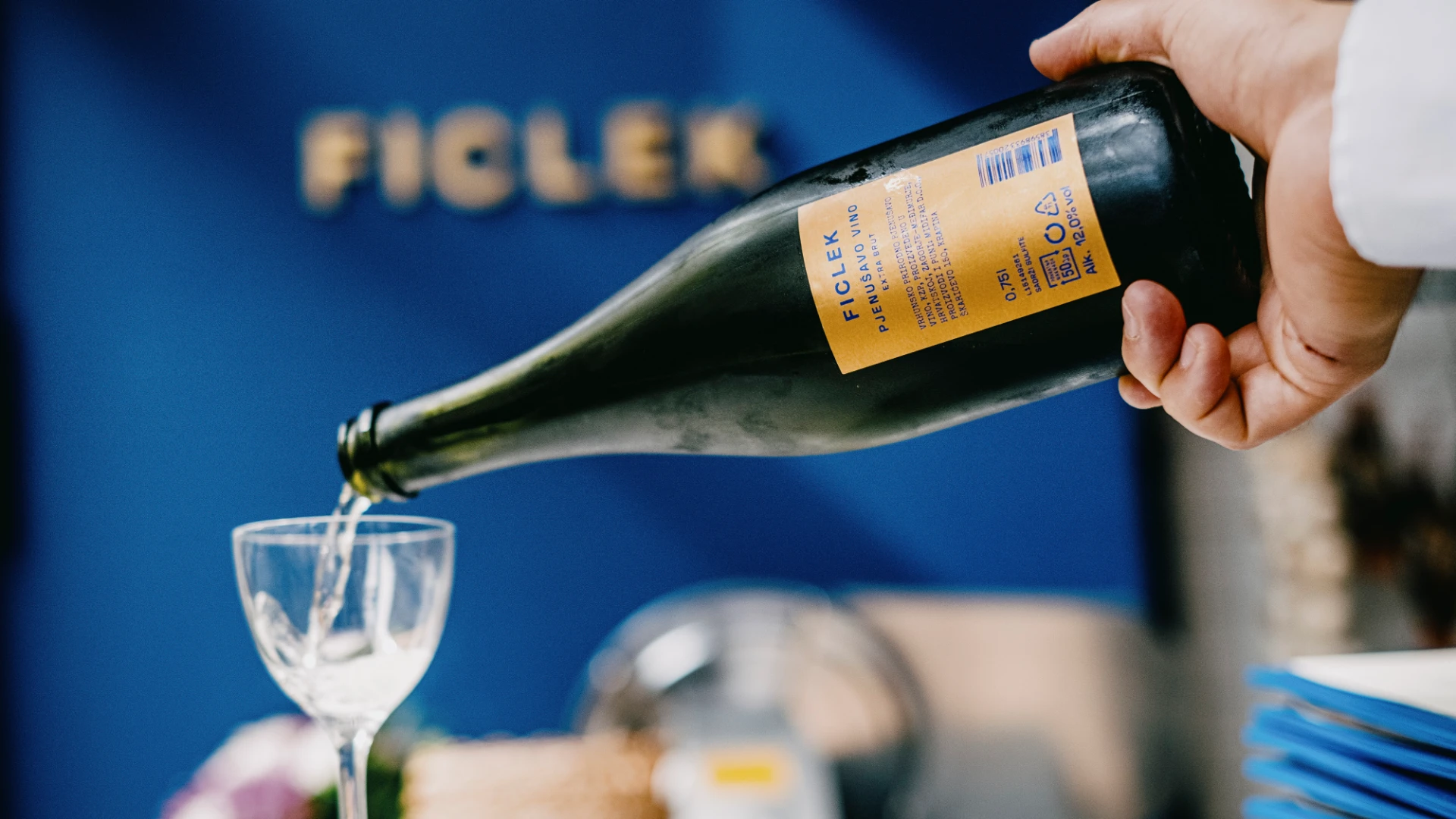
Croatia’s wine scene is becoming a strong draw for wine enthusiasts, whose numbers are rapidly growing in the information age. Zagreb’s surrounding region offers excellent wines from both indigenous and international varieties, produced in mostly small wineries with authentic family stories, all set in beautiful landscapes.
Trends Shaping the Experience
Zagreb’s culinary scene is successfully keeping pace with several key global trends.
Seasonality has become a standard, not just a phrase in food writing. Guests expect menus to follow the natural rhythm of the year – “strawberries in spring, pumpkins in fall,” as the saying goes. Restaurants that understand and communicate this clearly enjoy greater trust.
At the same time, interest in lower-calorie and non-alcoholic options is growing. Younger generations in particular are seeking thoughtfully designed alcohol-free pairings, from craft sodas to fermented drinks, that can stand alongside a serious dining experience.
Transparency is no longer an added value, but a clear expectation. Questions about ingredient sourcing, production methods and sustainability are becoming part of everyday communication. Guests want to know what they are consuming and, increasingly, what kind of impact it has on the environment.
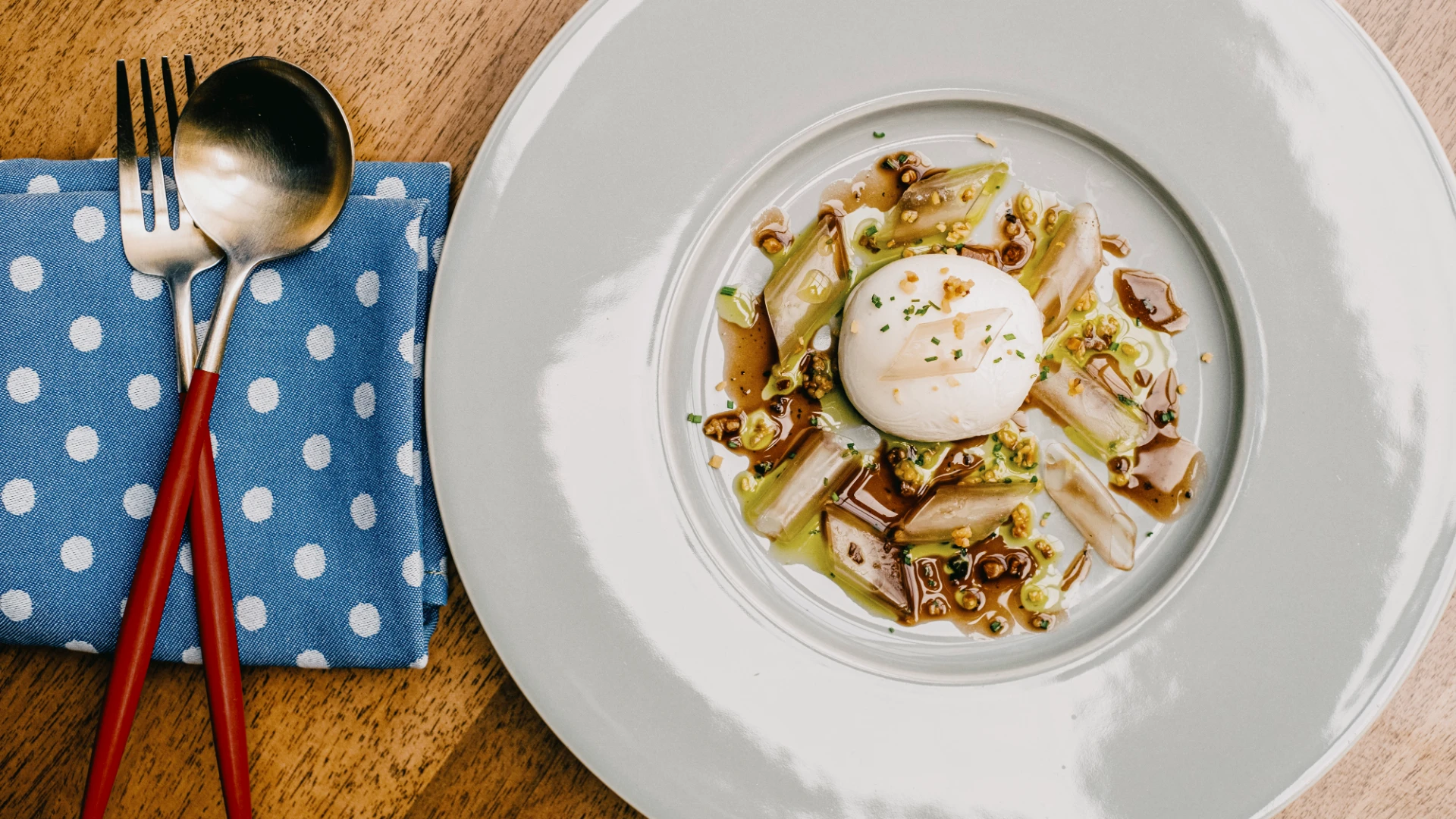
The City as an Experience, Not Just a Destination
Ultimately, the modern guest does not come to Zagreb just to eat. They come to experience the city through its flavors, rhythm and the details that cannot be found anywhere else. Their motivations are personal, specific and far from superficial. They are looking for value, meaning and experiences worth remembering and sharing with pride.
The role of the host goes beyond service itself.
At Delicious Zagreb, we have both the opportunity and the responsibility to connect curiosity with experience, turning visitors into returning guests and, more importantly, into advocates.
We need to tell this story before they even land and provide an experience that transforms them from passersby into ambassadors of our culinary culture.