
Nuré
Everyone is crazy about Nuré
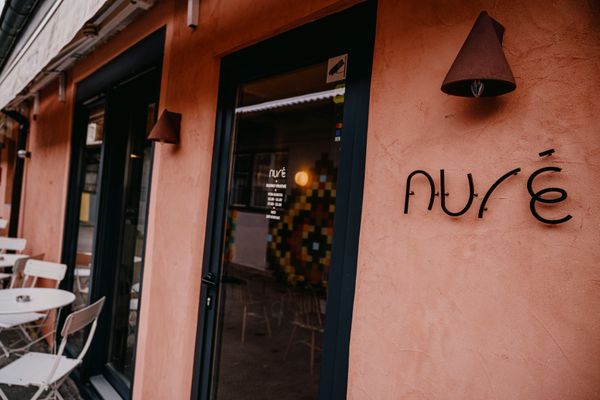
Nuré is an exciting new little Zagreb restaurant that opened just a few days ago at Ilica Street 33, in the narrow passage between Ilica and Varšavska. Old-school Zagreb gentlemen would say: “right there next to Mr. Strugar” (a local icon of Zagreb shoemaking). The restaurant’s name is made up of the syllables Nu, from nouveau, reflecting its strong French inspiration, and Re, from restart.
It is a small but clearly conceived project, positioned as a contemporary, loosely defined fusion Korean restaurant built on a strong French foundation, with an emphasis on a modern approach, unpretentious service and an author-driven interpretation of cuisine rather than a classic presentation of national dishes.
Behind the project are young members of a family that has been present on Zagreb’s gastro scene for several years; Nuré is run by the daughters of the woman who first introduced Korean cuisine to us through her restaurant Omma in Martinovka.
The younger sister, who grew up in Zagreb, persuaded her sister and her fiancé, both of whom had cooked in some of Seoul’s most important restaurants, to come as well and dive into this flavorful venture.
Young and her fiancé, Hwan Woong, run the kitchen swiftly and with a smile, their movements clearly reflecting professional training and experience, while Min Young calmly and warmly holds the front of house.
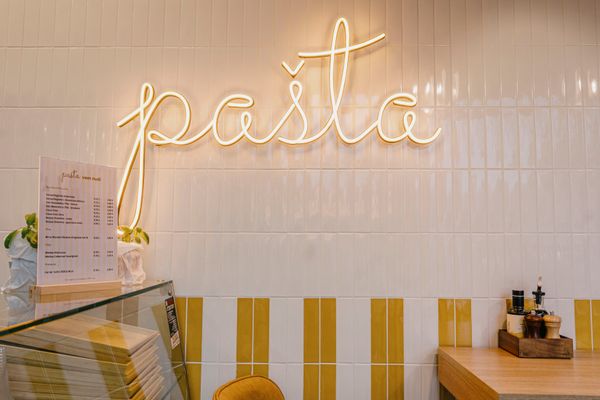
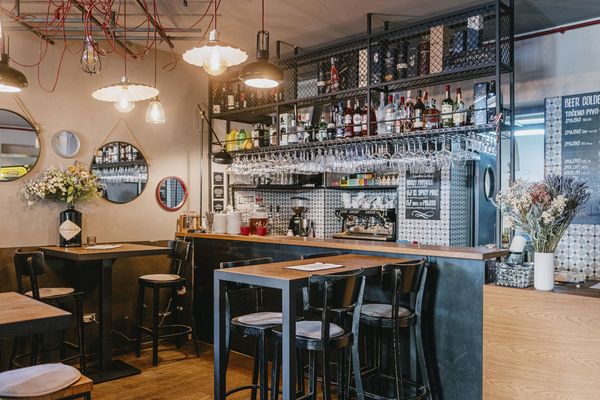
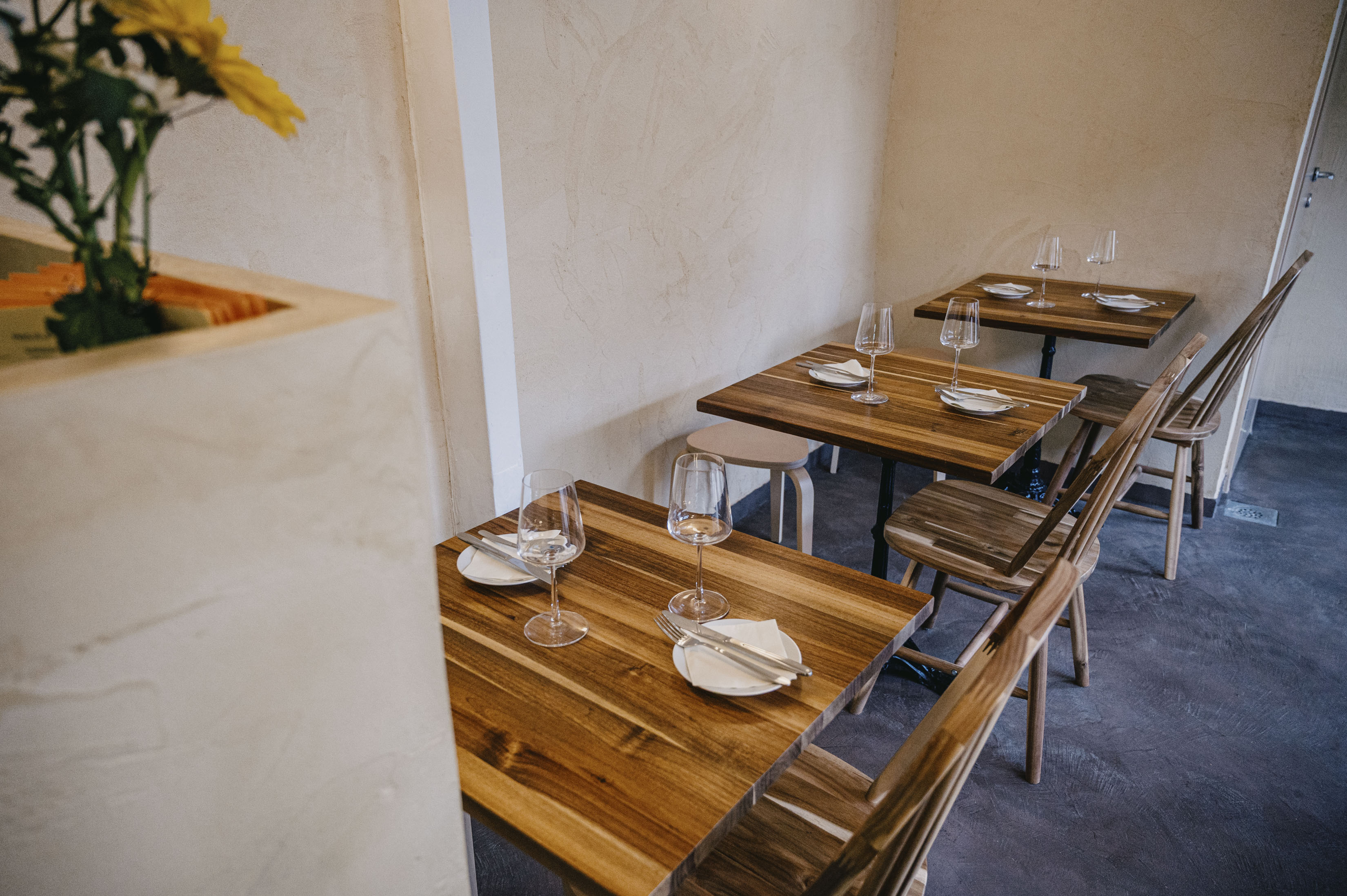
The space is minimalist, with a slightly Scandinavian feel, and although small, it is highly functional, offering a view into the kitchen through a window behind the bar. Until the terrace opens and a few more tables are added, the restaurant can accommodate only around a dozen guests, which, besides the quality, originality, and strong demand, is another reason why, since opening, it has been almost impossible to secure a reservation.
What’s on the menu?
Nuré’s menu is short and changeable, grounded in a modern fusion approach and a carefully curated selection of dishes that combine Korean elements with global ingredients. This is not a survey of classic Korean dishes, but rather a selection of plates that emerge from an international gastronomic logic and a French foundation, shaped by modern techniques, the chefs’ personal experience and subtle touches of Korean tradition. The emphasis is on precise flavors, freshness, a balanced use of fermented elements, and, of course, visual appeal. The offering includes smaller plates designed for sharing, as well as a few more substantial dishes that can function as a main or even sole course.
.jpg)
Among the starters, for example, are jambon made from Black Slavonian pig with pickles; a salad featuring an intriguing combination of chicken vinaigrette, grapefruit, egg and Parmigiano; hummus with broccoli and scamorza; or brie with mascarpone, truffles and pecans. Further highlights include their hugely popular “Parisian gnocchi” with chestnut, as well as more substantial dishes such as lamb in harissa with a smoked potato purée, and duck with vegetables in a red wine reduction. On the sweet side, guests can look forward to a chocolate mousse with orange or a very special cheesecake.
The drinks offering is conceived as a close extension of the kitchen. The wine list is not large, but it is more extensive than those typically found in city restaurants of similar scale, and although the selection of labels could use some refinement, the list is clearly ambitious for such a small venue and we look forward to seeing how it develops.
Beyond that, there’s a small but sufficient selection of beer, juices and water, along with good capsule coffee.
What did our chefs try?
We asked the Nuré team to put together a small tasting menu for us and they certainly didn’t disappoint. We began with an exceptionally fresh and flavorful selection of vegetables served with a rich Piedmontese bagna càuda. The crisp vegetables truly came alive when dipped into the thick, delicious, umami-packed sauce.
The next course, a tartare, was not only visually appealing but also a beautiful blend of evidently high-quality meat and finely judged seasoning; fermented gochujang lent it a complex sweet-and-sour dimension, with occasional bursts of pleasant heat. It was served on crisp nori crackers, enriched with the creamy depth of a yolk “jam” and finished with a julienne of nashi pear for a touch of freshness.
Next came “seasonal fruit” – a dish built on a hazelnut cream lightly sharpened with fragrant white vinegar, topped with thin slices of budjola, while the fruit in the starring role changes with the seasons. On this occasion, it was a luscious golden kiwi.
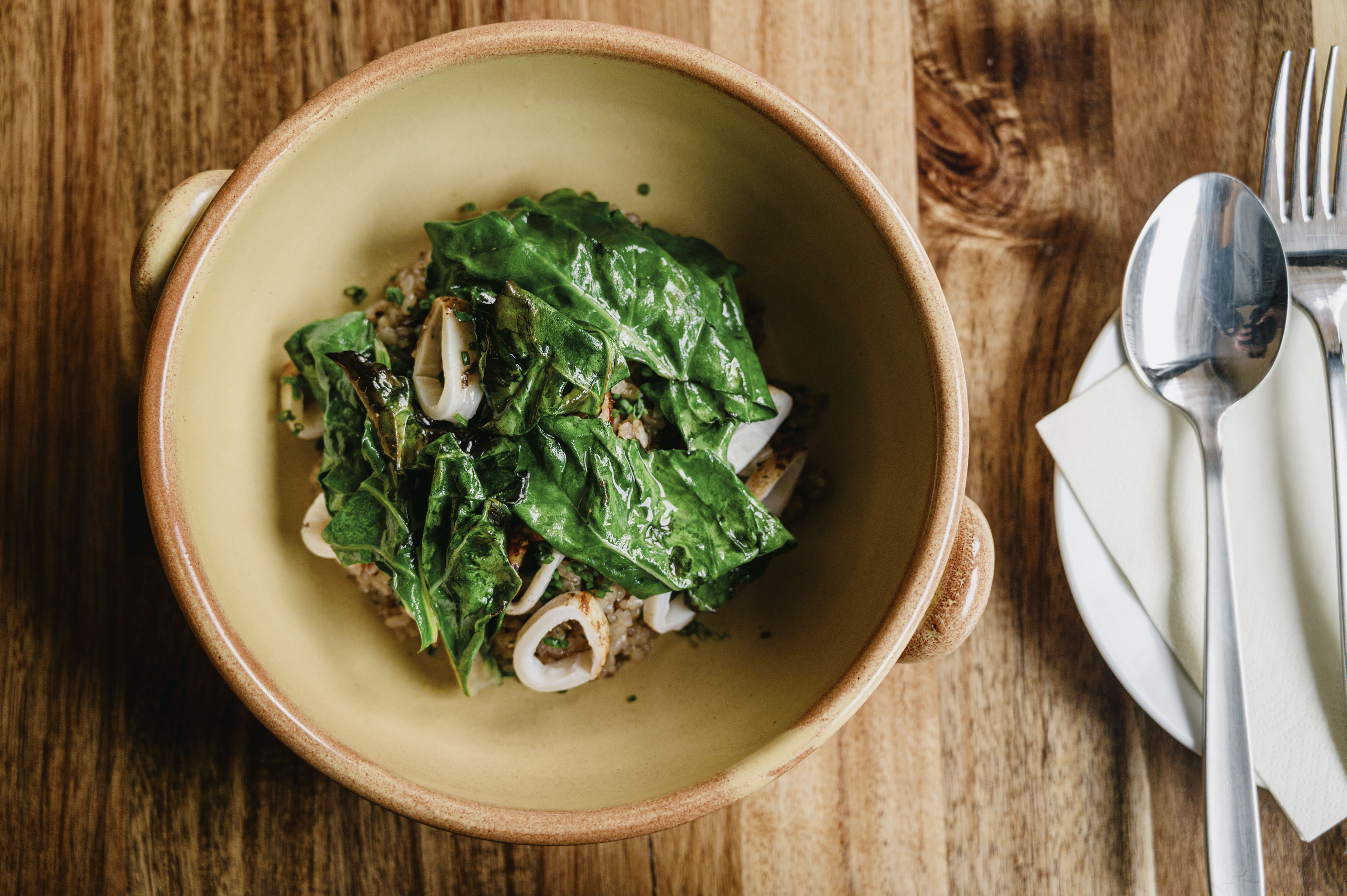
The next dish was Wok Hei, which translates as the breath or energy of the wok, featuring tender wok-cooked squid served over complex fried rice flavored with a spice paste, ginger and olives, resulting in a deeply comforting and warming dish.
.jpg)
To finish, an excellent dessert variation on Basque cheesecake with matcha combined a creamy, dense texture and gentle acidity with earthy green tea notes and a deliberately caramelized surface. The matcha was not overpowering, but present as a precise aromatic line that added an extra layer of complexity.
Alongside the meal, we refreshed ourselves with a glass of their excellent house-made kombucha, moderately sweet, gently vinegary on the nose and lightly effervescent. Making good kombucha is not easy, even though it seems everyone has been trying lately, and in this case Nuré truly nailed it, just as they have with everything else. :)